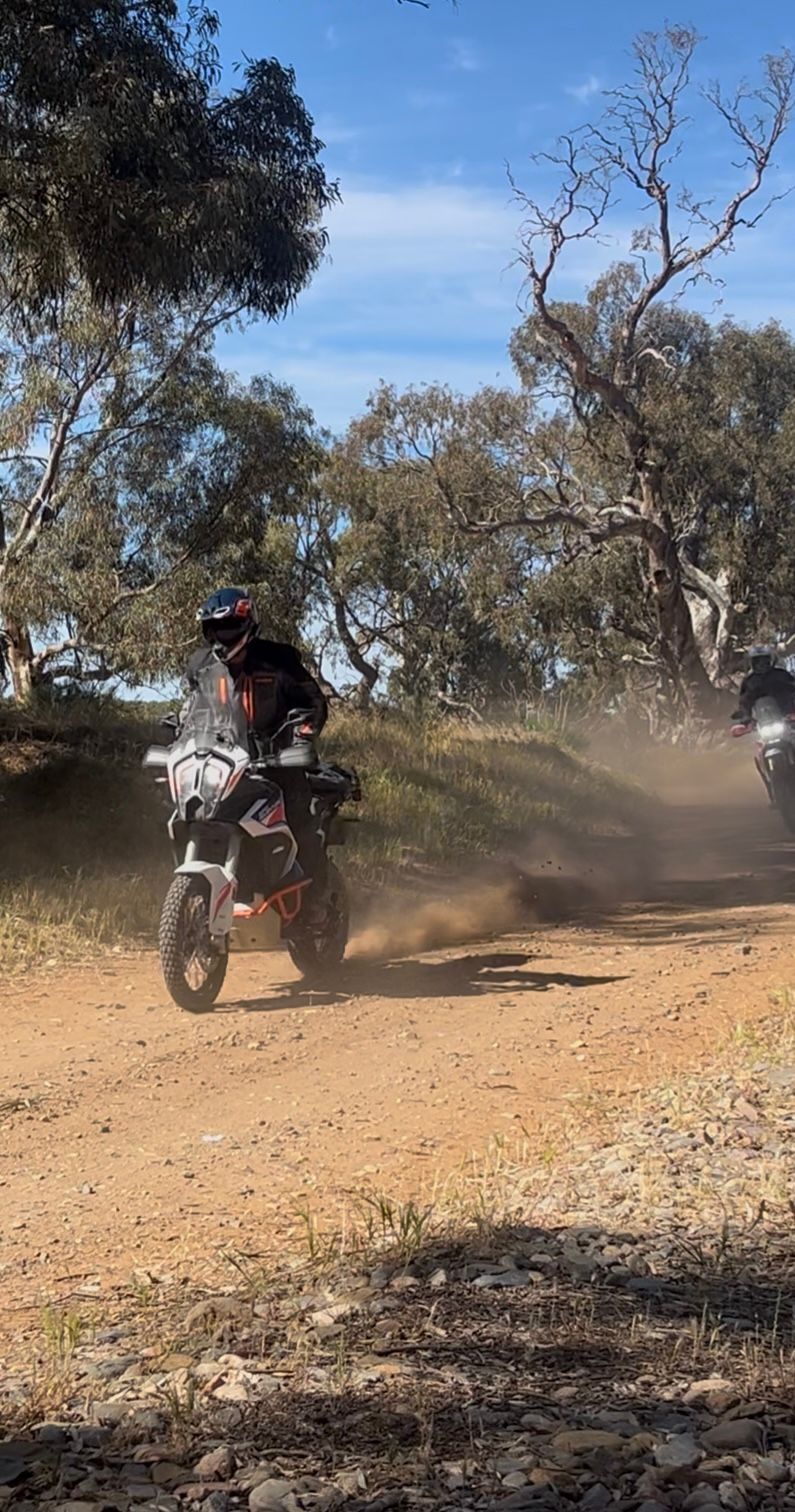
Minimum Gear for a Day Ride
Why Most Riders Struggle in Sand
(And How to Fix It)
I’ve noticed something riding with the crew lately… As soon as we hit sand, a few riders go from smooth and confident… to survival mode pretty quickly. You can almost see it happen in real time. The body stiffens, the throttle gets twitchy, and suddenly the bike starts doing exactly what they don’t want it to do. The thing is—sand isn’t the problem. It’s how a lot of riders react to it.
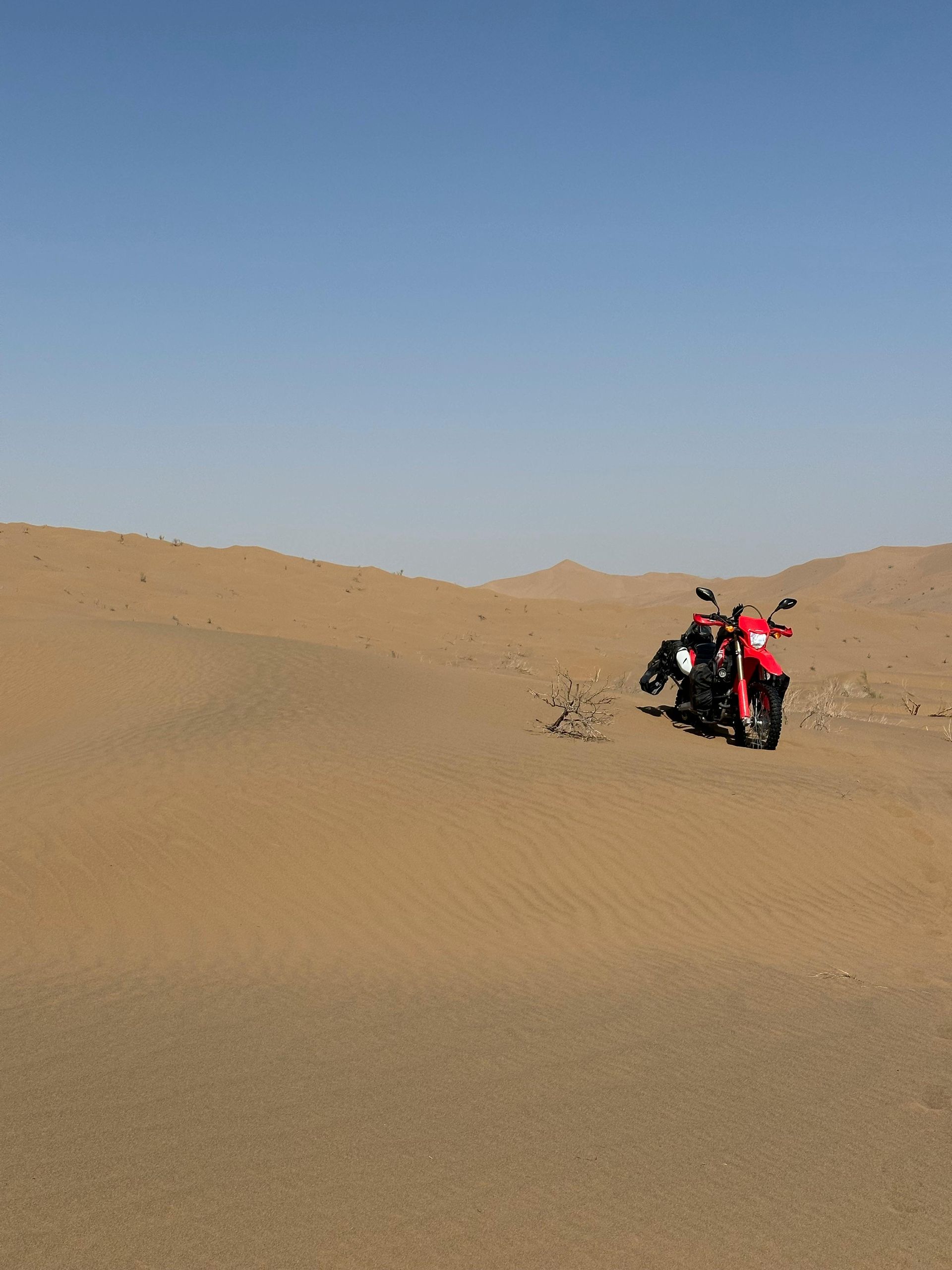
Most riders hit sand and immediately do three things:
- They lean forward
- They tighten up
- They roll off the throttle
And that’s the moment it all starts going wrong. The front wheel digs in, the bike starts wandering, and confidence disappears just as fast as traction.
The fix isn’t complicated—but it does go against your instincts.
👉
Weight back
👉
Stay loose
👉
Keep the throttle steady
That’s it.
1. Weight Back (But Not Hanging Off the Bike)
You don’t need to be doing some motocross hero pose.
Just shift your weight rearward enough to:
- lighten the front end
- let the front wheel float instead of plough
Think: “Take pressure off the front… don’t abandon it completely.”
2. Stay Loose (This Is the Big One)
Most riders fight the bike in sand.
That’s the mistake.
The bike will move around—that’s normal.
👉 Let it.
If you’re gripping the bars like your life depends on it, every movement gets amplified. If you relax, the bike settles itself.
3. Steady Throttle (Momentum Is Your Friend)
Rolling off the throttle is what kills most riders in sand.
The moment you back off:
- the front digs in
- the bike slows
- balance disappears
You don’t need to go fast—you just need:
👉
consistent drive
Think smooth, not aggressive.
What I See Happen on Group Rides
You’ll often see it play out like this:
- First rider goes through clean
- Second rider hesitates
- Third rider panics
- Fourth rider is already in trouble before they even hit the section
Confidence spreads—but so does hesitation.
Once one rider struggles, the next rider is already second-guessing themselves. I you are more confident give yourself space so you can attack at your pace often those with less confidence will slow your progress and this will cause you to struggle in turn.
The Simple Reset That Works
When it starts going wrong, don’t overthink it. Just reset to this:
- Weight back
- Eyes up
- Steady throttle
- Let the bike move
That’s it. No complicated technique. No magic trick.
Where You’ll Actually Hit This
Around South Australia, you’ll find these conditions pop up:
- Sandy patches in otherwise solid gravel roads
- Loose corners where the surface breaks up
- Dry, churned-up sections after traffic
It’s rarely deep desert-style sand—it’s those unexpected patches that catch riders out.
Gravel Hound Take
Sand riding isn’t about skill as much as it is about trust. Trust the bike. Trust the movement. And most importantly—don’t fight it.
Because the harder you try to control it… the worse it usually gets.
Want to practice this on a real ride?
Check out:
- Angaston Loop (great mix of surfaces)
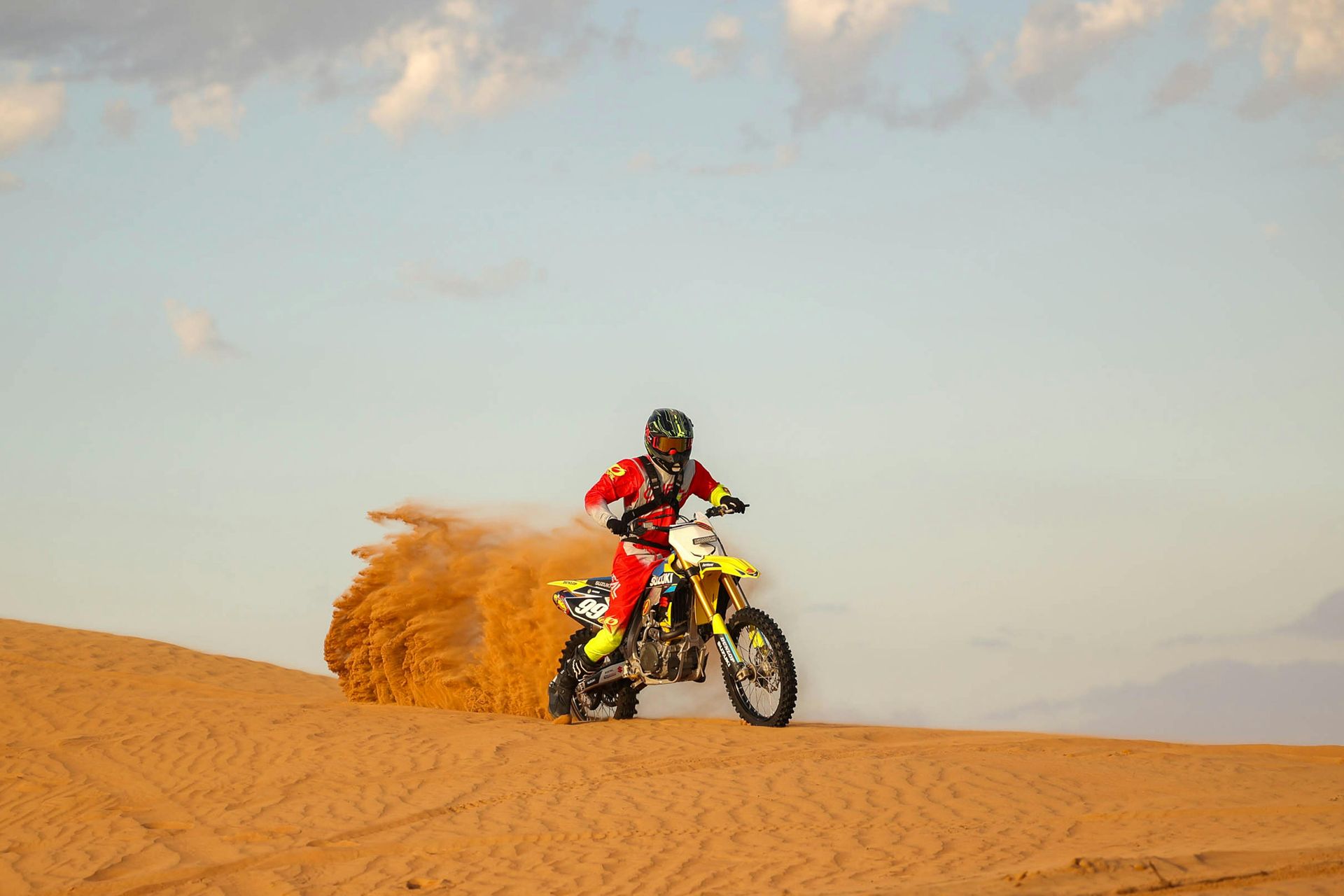
Bike Setup for a Multi–Day Trail Adventure
(With Gravel Hound’s Honest Guide to Why Hotels > Tents)
When you decide to push beyond the familiar day-ride loops and head out for a proper multi-day trail adventure, your bike stops being “a bike” and becomes a fully loaded, mobile survival unit. Whether you’re tackling South Australia’s backroads, drifting through wheat-belt gravel, or heading north toward the red-dirt promise of the outback, a little prep now prevents the kind of drama that ends with you calling mates… or walking.
And yes — we’ll talk about camping gear.
But let’s be honest: I will always take the hotel option when available.
Not because I mind sleeping under a billion outback stars… but because there is simply no effective way to carry the correct volume of beer on an adventure bike.
Priorities.
Now, let’s get into the proper setup.
Bike Prep: The Gravel Hound Philosophy
Before packing anything, start with the foundation: a bike that’s ready to take the hits.
Pack only what you need and forget about the bullshit — because the moment you start piling on ‘might-need’ gear, backup gear for the might-need gear, and that gourmet camp kitchen you swear you’ll use, your bike turns from adventure machine into an overloaded, top-heavy wobble wagon. And nothing ruins a trip faster than realising you’ve created something so unrideable, unbalanced and bloody dangerous it handles like a drunken camel on roller skates.”
Multi-day rides in Australia mean you’ll be dancing across every surface this country can throw at you: clay slicker than soap, sand that wants to swallow your front wheel whole, corrugations designed by Satan, limestone that bites back, and SA’s favourite… marbles on concrete. So start with tyres that will actually last the entire trip. There’s already enough tyre-philosophy nonsense on the internet — blokes arguing like they're solving world peace — so I won’t add to it. Just make sure your rubber isn’t going to evaporate halfway through day two. Do the right thing: adjust your pressures for the conditions, stop pretending 36/42 is some sacred number, and for the love of all things dusty, pack a pump or CO₂ cartridges. Whichever you prefer — just don’t be that rider asking to borrow mine at the first servo.
At a bare minimum, give your bike the kind of preparation you’d give a mate before sending him into a pub brawl. I personally take a full litre of engine oil — my thinking is simple: I can probably limp out of the bush without brake fluid or coolant if I ride like a monk, avoid braking, and sacrifice some drinking water if I absolutely have to… but engine oil? You’re not going anywhere without that.
If you’ve got a cable clutch, pack a spare. They weigh nothing, and the moment you don’t bring one is exactly the moment the original decides it’s had enough of your nonsense and snaps somewhere deeply inconvenient. Same goes for cable throttles — a spare won’t hurt, but if you’re caught short, you can crank the idle up to ‘tractor mode’ and sort of thump your way out of trouble until you can fix it properly. It’s not pretty, but it beats walking. And while we’re talking heartbreakers, nothing kills a trip faster than a chain that looks like it was salvaged off an abandoned farm gate. Clean it, lube it, and tension it before you leave. Pack a small can of chain lube. And never — never — leave home without a spare master link. Every one of my bikes has a master link cable-tied to a suitable cable, usually the clutch cable, so it’s exactly where I need it when things inevitably go pear-shaped.
Long days plus dust means your engine is working overtime, so give it a fresh oil and filter change before the trip, and eyeball that coolant level. Do the basics properly before you leave, and you won’t be performing bush-mechanic resurrection rituals on day two. Bear in mind if you add 15–30 kg of gear, your suspension settings may need preload increasing a soft rear end turns the bike from well behaved to something that just wants to buck you into the air on everything but the mildest bumps. So check the static sag on your loaded steed and consider turning up the compression a couple of clicks if you have the option.
Luggage: Keeping Weight Low, Central & Sane
Weight placement is everything on multi-day rides. Especially when the bike is doing the “gravel wiggle” at 90 km/h. So please consider what was said earlier “Pack only what you need and forget about the bullshit”. My personal preference is a rack less system and can highly recommend the Mosco Moto 80L that I use all the time and suits my needs perfectly with added bonus it’s easily transferred from one bike to another. If hard cases are your thing carry on great for road touring but I find not ideal for rocky climbs and an unexpected unscheduled lie down for your bike. A few of my riding mates just use waterproof duffels and ockie straps and manage just fine. It’s more about getting out there and getting it down rather than having all the all the latest trendy must have gear.
Even Gravel Hound occasionally thinks about camping — usually while riding past campers on his way to a hotel with a working shower. But many riders do love to camp, so include the essentials: lightweight tent, sleeping pad, sleeping bag, jet boil or similar, head torch and a micro towel. Alternatively my preference:
- Hotel
- Real bed
- Hot shower
- Unlimited beer storage potential
Tools and gear you MUST have be smart if a few of you are going you don’t need to double up on everything just make sure someone in the group as what you or your mates may need in an emergency.
- Tyre levers
- Spare tube or plug kit ( you can get away with just a front tube and use on the rear in an emergency to get you home) I take front and rear
- Pump
- Multi-tool
- Allen keys
- 8 / 10 / 12 / 13 mm ring spanners
- Duct Tape, insulation tape & cable ties
- JB Weld or equivalent
- Spare fuses
- Master link
- 1 litre engine oil
- Small bag miscellaneous fasteners
- Couple of jubilee clips Phone with offline maps
- GPS (if you have one)
- Power bank
- Charging cables
- Emergency beacon (especially if you’re going remote and away from phone coverage.)
A system that works well for me zone one every stop stuff cigarettes water bottle wallet phone sunscreen top of tail bag. I will also use this bag for daily access gear more snacks, mini toolkit, head torch, rain gear and warmer clothing, camera gear chargers etc. for hydration I use a 3l backpack so I can have a drink on the move works for me.
I tend to use the panier legs on each side for everything else mixing spares and clothes etc to try and get equal weight in each leg and stuffing socks, jocks and tee shirts in between other things to stop them rubbing or rattling around on the rough terrain.
Remember it’s not just about the bike — it’s about arriving in one piece. Pace yourself it’s all about the journey, keep well hydrated your concentration levels will thank you, protein bars and high energy snacks can also help in this quest, maintain a gap long enough to keep out of the dust but close enough to stay in contact on the coms. Your air filter will thank you for it. If you are feeling fatigued stop for the day and revive tents and hotels don’t judge.
Multi-day trail adventures are good for the soul, whether you’re carving desert plains, flowing through pine forest, or doing your best to keep the front wheel pointed straight. Whatever your route, your bike needs to be prepped, your luggage needs to be balanced, and your tools need to be, adequate, accessible and ready.
But above all: Your accommodation needs to have beer. If that means swapping a tent for a Hotel and carrying an overnight bag instead of a cookware set… well… that’s just responsible adventure riding.
Minimum Gear for a Day Ride
Packing Light Without Sacrificing Safety
A good day ride doesn’t need to turn into an episode of “what did I forget this time?” The temptation is to throw everything in the panniers “just in case,” but the truth is—when you’re only out for the day, less is more. With the right essentials, you’ll be safe, comfortable, and prepared for the most common hiccups, while keeping your bike light and nimble.
Here’s the minimum gear every rider should consider for a single-day adventure.
1. Riding Gear That Protects
- Helmet – Full-face or adventure helmet, properly fitted.
- Gloves – Two pairs if weather looks unpredictable (summer and waterproof).
- Jacket & Pants – Ventilated with armour in summer, or layered up if cooler.
- Boots – Over-the-ankle, sturdy enough for gravel stops and unexpected dabs.
- Rain Layer – Even if it’s sunny at the café, a cloudburst in the hills can ruin your day.
2. Tools & Bike Essentials
Even on a short run, things go wrong when you least expect them.
- Basic Tool Kit – Levers, Allen keys, screwdriver, pliers.
- Tire Repair Kit – Plugs, CO₂ cartridges or mini pump.
- Zip Ties & Duct Tape – The bush mechanic’s best friends.
- Spare Fuses & Bulbs – Small, but can be a ride saver.
3. Personal Essentials
You’re not a passenger—you’re the engine’s life support too.
- Water – At least one litre. A hydration bladder works best if you’re riding gravel or hot weather.
- Snacks – Energy bars or trail mix for when the café is further than expected.
- Phone & Power Bank – Maps, emergencies, and photos. (Download offline maps if heading remote.)
- ID & Cash – Sometimes small towns still don’t do card.
4. Safety & Comfort Extras
Small items, big impact.
- First Aid Kit – Band-aids, antiseptic wipes, painkillers, and a few extras for scrapes.
- Sunscreen & Lip Balm – Eight hours of windburn can be worse than a crash rash.
- Earplugs – Reduce fatigue and keep you sharp at the end of the day.
- Multi-tool or Knife – Handy for everything from lunch stops to fixing straps.
5. Navigation & Communication
Even on a familiar loop, surprises happen.
- Paper Map or Notes – Electronics fail. A folded-up map doesn’t.
- Emergency Contact Info – Written down, not just in your phone.
- Bluetooth/Comms – If you’re with mates, being able to call out hazards is gold. Our group all use Senna which is excellent and worth every penny.
Keep It Light, Keep It Fun
The golden rule of day-ride packing: if you’ve never used it on the last five rides, leave it behind. The aim is balance—make sure you leave enough to handle a flat tire, an empty water bottle, or a sudden storm, but not so much that you feel like you’re hauling luggage across continents.
Because in the end, a day ride is about freedom. Light bike, light load, light mind.
Pack smart, ride safe—and remember: adventure begins the moment you turn the key.
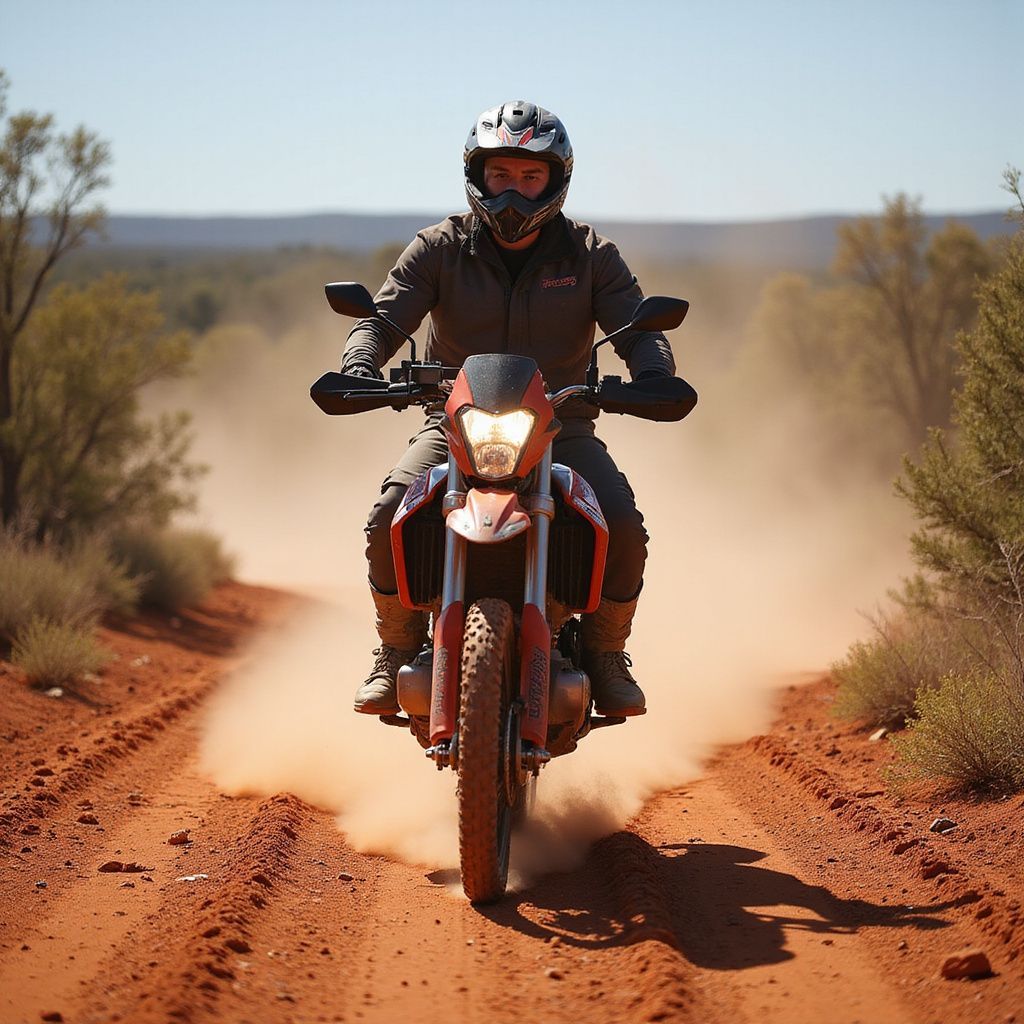
Essential Safety Tips for Off-Road Biking
Keep your ride trouble-free with key safety advice: always wear protective gear, check your bike before hitting the trail, stay hydrated, and respect trail conditions. Knowing your limits and riding with awareness helps you enjoy every twist and turn without unexpected detours.
Trail Etiquette: The Do's and Don'ts of Off-Road Biking
Keep trails enjoyable for everyone by following simple rules: yield to hikers, avoid skidding on loose soil, and pack out all trash. Respect the environment and fellow riders to preserve South Australia's rugged beauty for your next adventure.